



 Send Inquiry
Corrugated Metallic Flexible Hose
Price 700 INR/ Piece
MOQ : 10 Pieces
Corrugated Metallic Flexible Hose Specification
- Hardness
- HV200-HV300
- Application
- Industrial, HVAC, Gas, Oil, Chemicals, Steam, and Water Lines
- Working Presssure
- Up to 100 Bar
- Use
- Flexibility and Vibration Absorption
- Product Type
- Corrugated Metallic Flexible Hose
- Finish
- Polished/Matte
- Length
- Customizable up to 18 meters
- Tube
- Annular Corrugated Stainless Steel
- Cover
- Stainless Steel Braid
- Connection
- Flanged, Threaded, or Welded ends
- Temperature
- -196C to 600C
- Inner Diameter Range
- 6 mm to 300 mm
- Impact Resistance
- High
- Leak Proof Test Pressure
- Up to 1.5 Times Working Pressure
- End Fittings Material
- Stainless Steel / Carbon Steel / Brass
- Flexibility
- High
- Fire Resistance
- Yes
- Corrosion Resistance
- Excellent
- Weight
- Depends on Size and Length
- Braid Layers
- Single or Double Braid
- Conformity
- BS6501 / ISO 10380
- Standard
- ASTM / EN / DIN Standards
- Color
- Metallic Silver
- Maximum Bend Radius
- As per Diameter, 4~15xDN
Corrugated Metallic Flexible Hose Trade Information
- Minimum Order Quantity
- 10 Pieces
- Supply Ability
- 100 Pieces Per Day
- Delivery Time
- 2-3 Days
- Sample Available
- Yes
- Sample Policy
- Free samples are available
- Main Domestic Market
- All India
About Corrugated Metallic Flexible Hose
Corrugated Metallic Flexible Hoseis developed using high-grade raw materials and thin wall butt-welded tube. This flexes through the metal corrugations movement that make it ideal to be used in the domain of steel making, petrochemical, automotive, chemical, power generation and varied other sectors. Corrugated Metallic Flexible Hoseis also used for conveying different fluids and gases. In addition, it is also used for correcting the misalignments and absorbing vibrations. This is ideal to withstand high temperatures, corrosive substances as well as impacts of atmosphere.
Exceptional Flexibility and Durability
Designed with high flexibility and robust metallic construction, these hoses can withstand frequent movement, vibration, and bending. Their annular corrugated design, combined with a stainless steel outer braid, allows for reliable operation in harsh environments and challenging applications.
Multi-Industry Applications
Corrugated metallic flexible hoses are suitable for a broad range of uses, including industrial piping systems, HVAC installations, gas transmission, oil handling, chemical processing, steam lines, and water supply systems. They provide superior resistance to corrosion, impact, and fire, ensuring safety and longevity in various sectors.
Customizable Configuration and Compliance
Choose from multiple inner diameters (6 mm to 300 mm), single or double braid, and connection types to suit specific project requirements. These hoses meet major international standardsASTM, EN, DIN, BS6501, and ISO 10380offering peace of mind regarding quality and conformity.
FAQs of Corrugated Metallic Flexible Hose:
Q: How can I select the appropriate inner diameter and braid layer for my application?
A: Determine your systems flow requirements, pressure conditions, and vibration levels. For higher pressure or increased abrasion protection, opt for a double braid. Inner diameter selection should align with required capacity and installation space. Consult sizing charts or speak with a specialist to optimize your choice.Q: What standards do these hoses conform to, and why is this important?
A: The hoses conform to BS6501, ISO 10380, ASTM, EN, and DIN standards, ensuring consistent quality, safety, and performance. Compliance indicates that the hoses have undergone rigorous testing and meet global benchmarks, making them suitable for demanding industrial, HVAC, and fluid transport applications.Q: Where are corrugated metallic flexible hoses commonly used?
A: They are widely used in industrial pipework, HVAC systems, oil and gas lines, chemical transport, steam distribution, and water supply networks. Their ability to absorb vibrations and accommodate movement makes them ideal for environments where rigid connections are unsuitable.Q: What is the process for customizing the hose length and end fittings?
A: Contact your supplier with your specifications, including required hose length (up to 18 meters), diameter, braid type, and preferred end fitting (flanged, threaded, or welded). The manufacturer will configure your hose according to the details and ensure it meets all performance standards.Q: How does the hose provide benefits such as leak proofing and corrosion resistance?
A: The annular corrugated stainless steel tube and braided cover are engineered for leak-proof integrity and excellent corrosion resistance. Rigorous leak proof testing up to 1.5 times operating pressure and premium metallic materials guarantee long-lasting protection against chemical, thermal, and mechanical stresses.Q: When should I use a double braided hose instead of a single braided one?
A: A double braided hose is recommended for high-pressure systems, increased mechanical protection, or environments with frequent movement and vibration. The additional braid layer improves burst strength and durability, helping ensure consistent performance under strenuous conditions.Q: What are the advantages of selecting this hose for vibration absorption?
A: Corrugated metallic flexible hoses efficiently absorb vibrations and accommodate thermal expansion, protecting sensitive equipment and connections from damage. This feature enhances the longevity and safety of your entire piping system, especially in facilities with dynamic operation or fluctuating temperatures.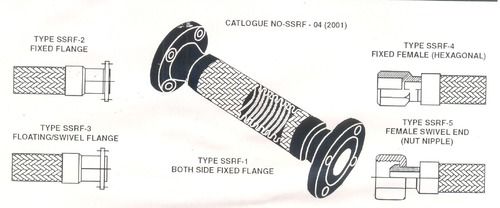
Tell us about your requirement

Price:
Quantity
Select Unit
- 50
- 100
- 200
- 250
- 500
- 1000+
Additional detail
Mobile number
Email

More Products in Metallic Hoses Category
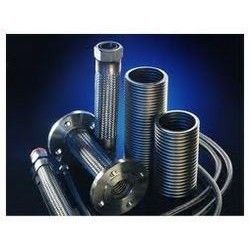
Corrugated Metallic Hoses
Price 400 INR / Meter
Minimum Order Quantity : 50 Meters
Material : Metal
Product Type : Corrugated Metallic Hoses
Working Presssure : Up to 300 bar (varies with size and construction)
Length : Customized or standard lengths available
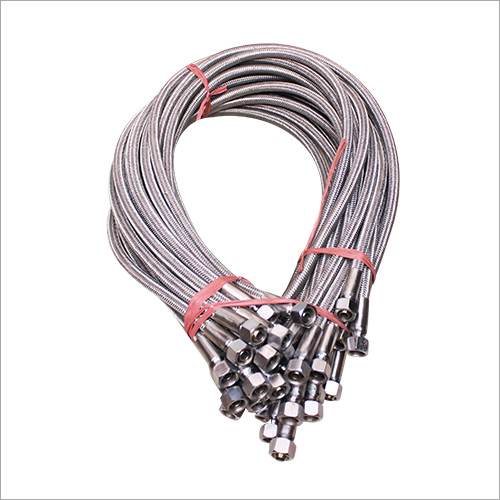
Metallic Hose Assembly
Price 400 INR / Piece
Minimum Order Quantity : 50 Pieces
Material : Stainless Steel (SS304, SS316, SS321)
Product Type : Metallic Hose Assembly
Working Presssure : 10 Bar to 150 Bar
Length : Customizable as per requirement
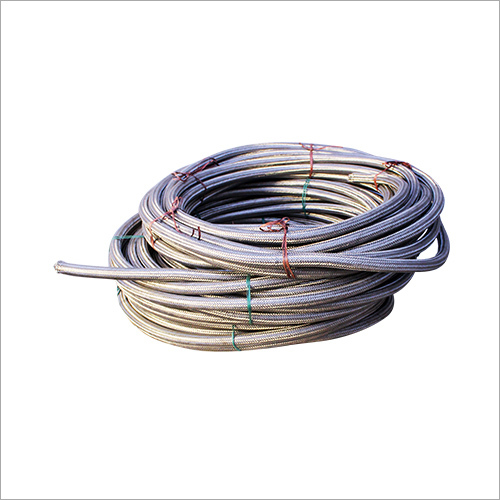
Braided Flexible Metal Hose
Price 300 INR / Meter
Minimum Order Quantity : 100 Meters
Material : Stainless Steel (SS304/SS316/SS321)
Product Type : Flexible Metal Hose
Working Presssure : Up to 300 bar
Length : Customized/As required

Contact Us

- J-58, Sector -3, Bawana Industrial Area,Delhi - 110039, India
- Phone :08045479448

- Mr Vipin Chauhan (Marketing Head)
- Mobile :08045479448
- Send Inquiry
- Unit - II
J - 58, Sector - 3, Bawana Industrial Area, Delhi - 110085.
 Send Inquiry
 |
SURYA ENGINEERING WORKS
All Rights Reserved.(Terms of Use) Developed and Managed by Infocom Network Private Limited. |
