





 Send Inquiry
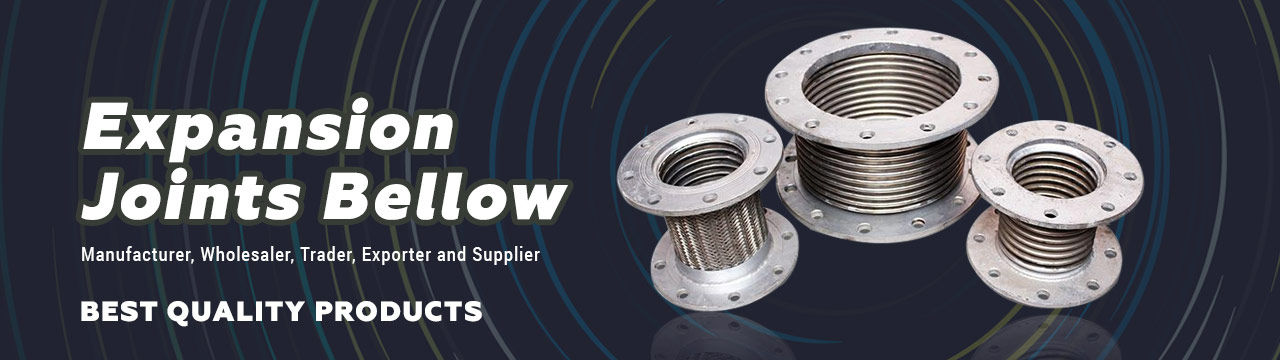
Expansion Joints Bellow
Price 4500 INR/ Piece
MOQ : 2 Pieces
Expansion Joints Bellow Specification
- Reinforcement
- Multiple plies of stainless steel
- Connection Type
- Flanged / Welded / Threaded
- Cover
- Stainless Steel / Carbon Steel
- Hardness
- 60-70 Shore A
- Medium
- Air, Gas, Water, Steam, Chemicals
- Shape
- Cylindrical Bellows
- Material
- Stainless Steel (SS304/SS316), Rubber, PTFE
- Temperature
- -20C to 300C
- Pressure
- Up to 16 Bar
- Inside Diameter
- 50 mm to 600 mm
- Outside Diameter
- Varies as per design
- Color
- Metallic Silver or Black
- Surface Finish
- Smooth finish with anti-corrosive coating
- Test Certification
- Available upon request
- Corrosion Resistance
- High resistance to corrosion and abrasion
- Leakage Test Pressure
- Up to 24 Bar
- Application
- HVAC, Power Plants, Refineries, Chemical Plants, Pipeline Systems
- Installation Position
- Horizontal / Vertical
- Movement Capability
- Axial, Lateral, and Angular movement
- End Connection
- ANSI/DIN/BS Flange or as per requirement
Expansion Joints Bellow Trade Information
- Minimum Order Quantity
- 2 Pieces
- Supply Ability
- 100 Pieces Per Day
- Delivery Time
- 2-3 Days
About Expansion Joints Bellow
We have marked a successful niche in the market as a reputed manufacturer and supplier of Double Expansion Joints. These are used to increase the angular or lateral flexibility and to hold parts together. Ties, pivots or other trimmings can also be added to these joints. These are generally used in pipeline systems for connecting the pumps and vessels. The service life of these Double Expansion Joints is determined on the basis of degree, material and shape to which the junction is able to move. We make available these joints for clients in different sizes and specifications as per their requirements.
Features:- Resistant to high pressure
- Large movement absorption
- Corrosion proof
Exceptional Durability and Corrosion Resistance
Engineered with high-grade materials and reinforced with multiple stainless steel plies, these expansion joints are designed to withstand harsh industrial conditions. The anti-corrosive surface finish and high abrasion resistance ensure longevity, even when exposed to aggressive chemicals or extreme environments.
Flexible Design for Multiple Industries
Supporting axial, lateral, and angular movements, our expansion joints adapt seamlessly to dynamic pipeline systems across diverse sectors. Flanged, threaded, or welded connection options, alongside a range of internal diameters, provide unmatched adaptability for HVAC, power generation, refinery, or chemical plant installations.
Certified Quality and Rigorous Testing
Every expansion joint is tested at pressures up to 24 Bar and is available with full test certification upon request. The combination of advanced manufacturing standards and comprehensive quality control delivers products you can trust, no matter the application or installation position.
FAQs of Expansion Joints Bellow:
Q: How do expansion joints bellows accommodate axial, lateral, and angular movement in pipeline systems?
A: Our expansion joints are designed with flexible bellows that effectively absorb movements caused by thermal expansion, equipment vibration, and mechanical displacement. They accommodate axial extension/compression, lateral offset, and angular deflection, protecting connected equipment and maintaining pipeline integrity.Q: What materials are used for constructing these expansion joints, and how do they provide corrosion resistance?
A: We manufacture our expansion joints from stainless steels (SS304/SS316), rubber, and PTFE. These materials, combined with a smooth anti-corrosive coating, offer high resistance to corrosion and abrasion from exposure to chemicals, steam, water, and other aggressive media.Q: When should I choose flanged, welded, or threaded end connections for installation?
A: The choice of end connection depends on your systems requirements, pressure rating, and installation conditions. Flanged ends are commonly used for easy assembly and disassembly, welded connections ensure a permanent seal, and threaded options are suitable for smaller or low-pressure systems.Q: Where are these expansion joints typically used?
A: Our expansion joints are widely applied in HVAC systems, power plants, chemical processing facilities, refineries, and comprehensive pipeline networks across various industries. They are suitable for both horizontal and vertical installations, offering flexibility in design and placement.Q: What is the process for leakage testing and is certification available?
A: Each expansion joint undergoes stringent leakage testing up to 24 Bar to guarantee reliability. Test certifications are available upon request, verifying that the product meets industry safety and quality benchmarks.Q: How does the use of reinforced multiple stainless steel plies benefit operational reliability?
A: Multiple layers of stainless steel reinforcement provide exceptional strength and flexibility, distributing stress across the bellows and prolonging service life. This construction method minimizes the risk of failure under demanding pressure and temperature conditions.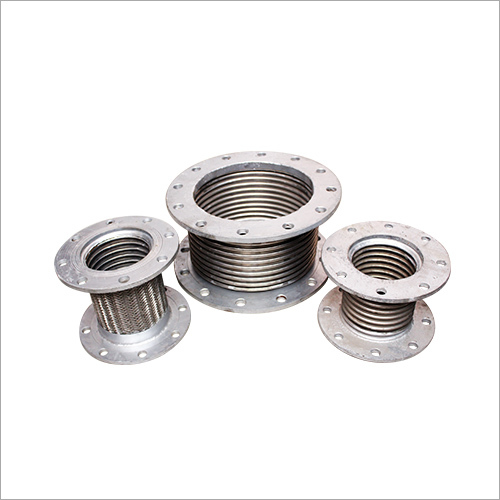
Tell us about your requirement

Price:
Quantity
Select Unit
- 50
- 100
- 200
- 250
- 500
- 1000+
Additional detail
Mobile number
Email

More Products in Hose Assembly Category
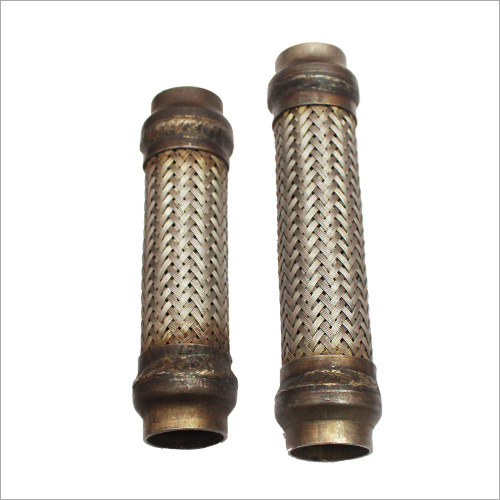
Flexible Hose Connectors
Price 400 INR / Piece
Minimum Order Quantity : 500 Pieces
Inside Diameter : 15 mm to 100 mm
Connection Type : Flanged / Threaded / Plain
Reinforcement : Stainless Steel Wire Braiding
Pressure : Up to 16 bar
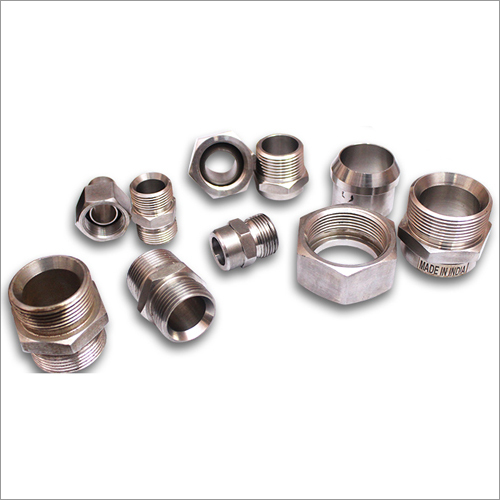
Bellow Hose Assembly and Fittings
Price 700 INR / Piece
Minimum Order Quantity : 50 Pieces
Inside Diameter : 12 mm to 300 mm
Connection Type : Flanged / Threaded / Welded
Reinforcement : Stainless Steel Braid
Pressure : Up to 100 bar

Contact Us

- J-58, Sector -3, Bawana Industrial Area,Delhi - 110039, India
- Phone :08045479448

- Mr Vipin Chauhan (Marketing Head)
- Mobile :08045479448
- Send Inquiry
- Unit - II
J - 58, Sector - 3, Bawana Industrial Area, Delhi - 110085.
 Send Inquiry
 |
SURYA ENGINEERING WORKS
All Rights Reserved.(Terms of Use) Developed and Managed by Infocom Network Private Limited. |
