





 Send Inquiry
Camlock Coupling (Female)
Price 800 INR/ Piece
MOQ : 10 Pieces
Camlock Coupling (Female) Specification
- Connection
- Female Thread, Hose Shank, or Flanged ends
- Torque
- Hand tightened, typically 10-15 Nm max
- Thread
- BSP, NPT or custom
- Max. Speed
- Not applicable for static connector
- Bore
- Standard and as per size; available from 1/2 up to 6
- Head Code
- Round
- Sealing
- NBR, EPDM, Viton gasket depending on application
- Material
- Stainless Steel 304/316, Aluminum, Brass, Polypropylene
- Structure
- Cam arm with groove for locking, coupler body
- Standard
- A-A-59326 (MIL-C-27487), DIN 2828, EN14420-7
- Inner Diameter
- Customizable, commonly 1/2 to 6
- Outer Diameter
- Varies by size, generally 23 mm to 163 mm
- Application
- Quick connection/disconnection for hoses and pipelines in fluid transfer, agriculture, chemicals, and industrial systems
- Surface Treatment
- Polished, sandblasted, or natural finish
- Technique
- Precision Casting, Forged
- Shape
- Female Coupler (Type B, C, D, DC, DP as per requirement)
- Cam Arm Material
- Stainless Steel or brass (for extra corrosion resistance)
- End Connection
- Female thread, hose tail or flange
- Locking Mechanism
- Two cam levers with locking pins
- Corrosion Resistance
- Excellent (Stainless Steel), Good (Aluminum/Bronze), Fair (Polypropylene/Plastic)
- Pressure Rating
- Up to 250 psi (varies by material and size)
- Temperature Range
- -20C to +200C (depends on material and gasket)
- Weight
- Varies with size and material, e.g., 0.3kg (1"), up to 5kg (6")
- Usage Media
- Water, chemicals, oil, fuels, powders, granular media
- Interchangeability
- Compatible with other camlock standard fittings
Camlock Coupling (Female) Trade Information
- Minimum Order Quantity
- 10 Pieces
- Supply Ability
- 100 Pieces Per Day
- Delivery Time
- 2-3 Days
About Camlock Coupling (Female)
We are supported by a highly competitive and talented team of professionals, helps us in manufacturing and supplying Camlock Coupling (Female). This coupling is available in varied sizes and is used to rapidly connect and disconnect fittings in piping lines. The important application of this coupling is to join two pieces of rotating equipment while permitting movement or misalignment. We offer this Camlock Coupling (Female) at affordable prices.
Features:
- Simple to install
- Sturdy in nature
- Corrosion proof
High Compatibility and Quick Operations
Camlock Female Couplings excel in providing fast connection and disconnection for hoses and pipelines. Thanks to their standardized design (Type B, C, D, DC, DP), they can be interchanged with other standard Camlock fittings. This interoperability, combined with tool-free operation via cam levers, reduces downtime in demanding environments, making fluid transfer more efficient.
Quality Materials and Enhanced Resistance
Manufactured from Stainless Steel, Aluminum, Brass, or Polypropylene, these couplers offer a spectrum of corrosion resistancefrom excellent (Stainless Steel) to fair (Polypropylene). With seals like NBR, EPDM, or Viton to match the application, and finishes like polished, sandblasted, or natural, each coupling is tailored to withstand its intended usage media and environmental conditions.
FAQs of Camlock Coupling (Female):
Q: How are female camlock couplings typically installed in fluid transfer systems?
A: Female camlock couplings are installed by hand, attaching the female coupler to the corresponding male adapter (Type A, E, or F). The connection is secured by closing the two cam levers, which lock the coupler in place, providing a tight, leak-resistant seal without tools. End connections can include female thread, hose shank, or flanged ends, making installation flexible for various systems.Q: What factors influence the pressure and temperature limits of camlock couplings?
A: The pressure grade (up to 250 psi) and temperature range (-20C to +200C) depend on the selected body material (Stainless Steel, Aluminum, Brass, Polypropylene) and the gasket (NBR, EPDM, Viton). Users need to consider the materials resistance to media, temperature, and pressure requirements to ensure safe and efficient operation.Q: Where can female camlock couplings be used effectively?
A: These couplings are widely used in industries such as agriculture, chemical processing, petroleum, pharmaceuticals, and food handling. They are suitable for connecting hoses and pipelines carrying water, chemicals, oil, fuels, powders, and granular products, offering convenience and safety in both stationary and field applications.Q: What are the benefits of using camlock couplings with locking pins and cam levers?
A: Locking pins and cam levers ensure secure connections, minimizing accidental disconnection and leaks. This mechanism allows for tool-free, rapid coupling and decoupling, which streamlines operational workflows, reduces downtime, and enhances safety, especially when frequent hose changes or mobility is required.Q: How do I choose the right gasket material for my camlock coupling?
A: Selecting the correct gasket (NBR, EPDM, Viton) depends on the media being transferred and the operating temperature. NBR is common for oils and fuels, EPDM resists many chemicals and steam, while Viton excels in high-temperature chemical and aggressive media applications. Always match the gasket to your specific usage to ensure reliable performance.Q: What standards do camlock couplings comply with for interchangeability and quality?
A: Female camlock couplings conform to recognized international standards such as A-A-59326 (formerly MIL-C-27487), DIN 2828, and EN14420-7. This guarantees compatibility with other standard camlock fittings from different manufacturers and assures consistent quality and performance.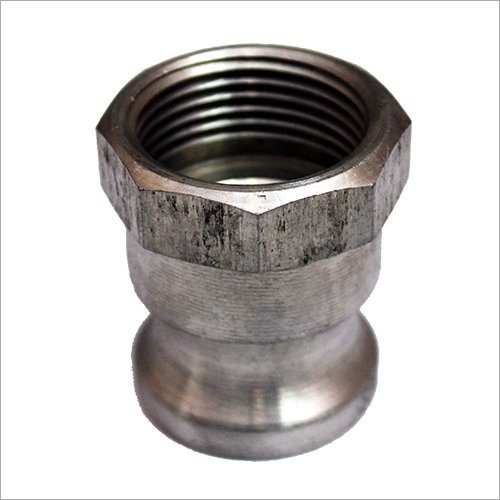
Tell us about your requirement

Price:
Quantity
Select Unit
- 50
- 100
- 200
- 250
- 500
- 1000+
Additional detail
Mobile number
Email

More Products in Camlock Coupling Category
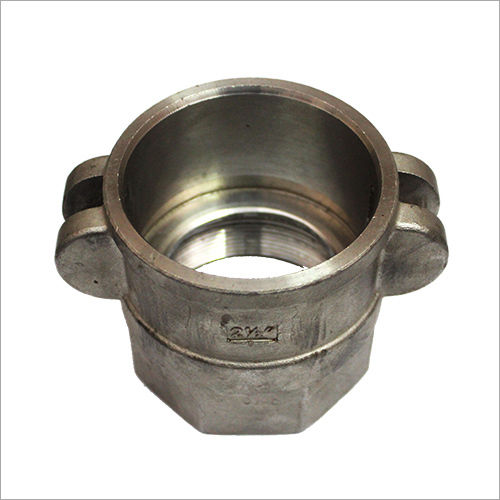
Camlock Coupling (Male)
Price 400 INR / Piece
Minimum Order Quantity : 50 Pieces
Technique : Other, Precision Casting
Application : Quick connection and disconnection in fluid transfer systems, commonly used in industrial, agricultural, and chemical processes
Inner Diameter : 15 mm 150 mm (1/2 to 6)
Standard : MILC27487 / DIN 2828
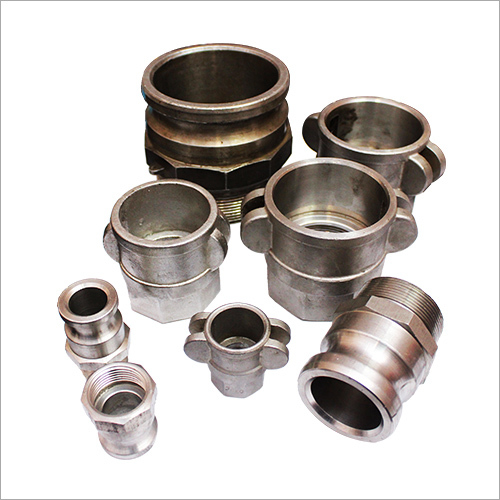
Male Female Camlock Coupling
Price 400 INR / Piece
Minimum Order Quantity : 50 Pieces
Technique : Other, Precision cast or machined
Application : Quick connection and disconnection in pipelines for liquids, powders, and granules
Inner Diameter : 1/2 to 6 (customizable)
Standard : DIN, AA59326 (MilC27487), or equivalent

Camlock Fittings
Price 800 INR / Piece
Minimum Order Quantity : 10 Pieces
Technique : Other, Precision casting
Application : Industrial fluid transfer, quick hose connections, irrigation systems, chemical handling, petroleum transfer
Inner Diameter : 1/2 to 6 (12 mm to 150 mm)
Standard : MILC27487, EN 144207

Contact Us

- J-58, Sector -3, Bawana Industrial Area,Delhi - 110039, India
- Phone :08045479448

- Mr Vipin Chauhan (Marketing Head)
- Mobile :08045479448
- Send Inquiry
- Unit - II
J - 58, Sector - 3, Bawana Industrial Area, Delhi - 110085.
 Send Inquiry
 |
SURYA ENGINEERING WORKS
All Rights Reserved.(Terms of Use) Developed and Managed by Infocom Network Private Limited. |
